Renovating Older Brisbane Homes: What to Know Before You Start
A practical guide to protecting your budget, timeline, and home’s character from day one.
Renovating older homes in Brisbane is one of the most rewarding — and complex — renovation journeys you can take.
From character-filled Queenslanders to post-war timber homes, Brisbane’s established suburbs are rich in architectural history.
But before you begin planning your transformation, there are important structural, compliance, and design considerations to understand.
If you’re renovating an older Brisbane home, here’s what to know before you start.
1. Understand the Existing Structure First -
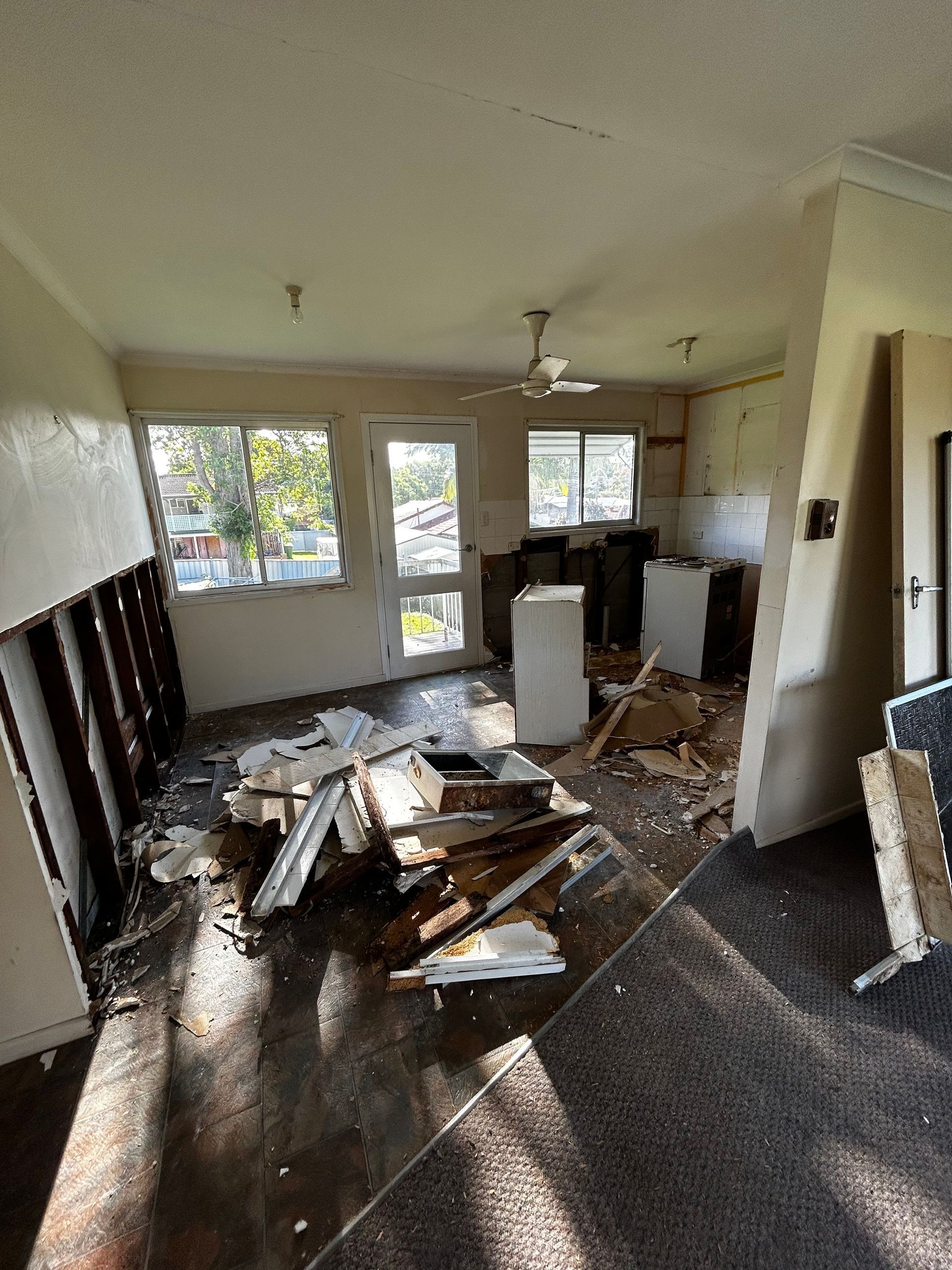
Older homes often hide surprises.
Common structural considerations include:
- Stumps and foundations needing replacement
- Termite damage
- Asbestos materials
- Outdated wiring and plumbing
- Roof framing and structural integrity
Before committing to a renovation scope, engage an experienced Brisbane renovation builder to assess the home thoroughly. Early structural clarity prevents costly surprises later.
2. Be Aware of Character and Council Requirements -
Many older Brisbane homes — particularly Queenslanders — fall under character or traditional building overlays.
This can impact:
- Demolition restrictions
- External alterations
- Raising and building under
- Street-facing changes
Understanding Brisbane City Council requirements early in the home renovation planning stage is critical.
A builder experienced in Queenslander renovations will know how to preserve street appeal while achieving modern functionality.
3. Consider Raise and Build vs Extension -
When renovating older homes in Brisbane, space is often limited by the original layout.
Two common approaches are:
- Raise and Build Under - Ideal for Queenslanders or high-set homes, this creates new living space beneath while retaining the character above.
- Rear or Side Extension - Expands your footprint to create open-plan living, additional bedrooms, or improved flow.
The right option depends on:
- Block size
- Setbacks
- Budget
- Long-term family plans
A structured feasibility discussion during the planning phase will help determine what’s possible.
4. Plan for Modern Living Standards -
Older homes weren’t designed for today’s lifestyle.
Modern renovations often include:
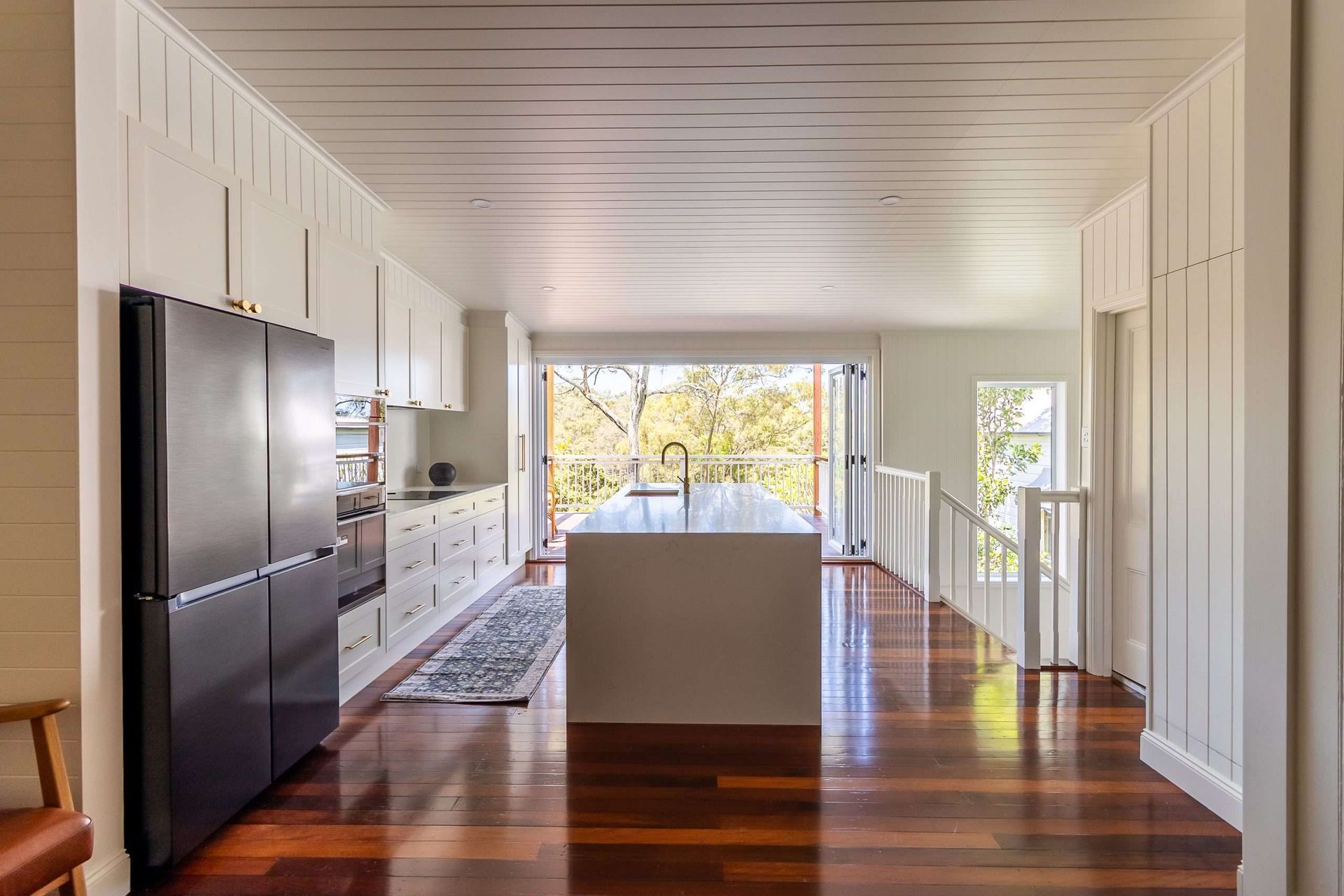
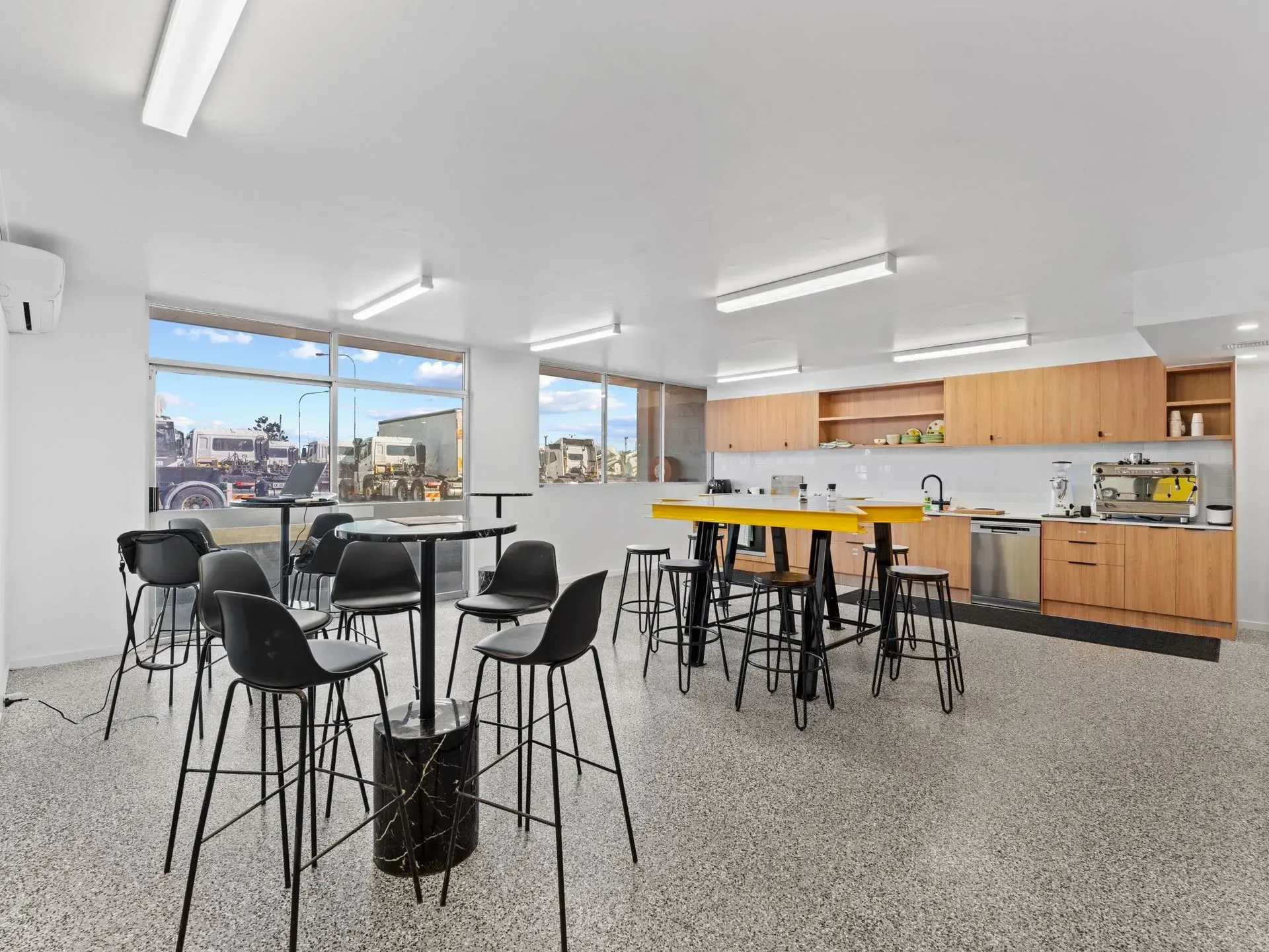
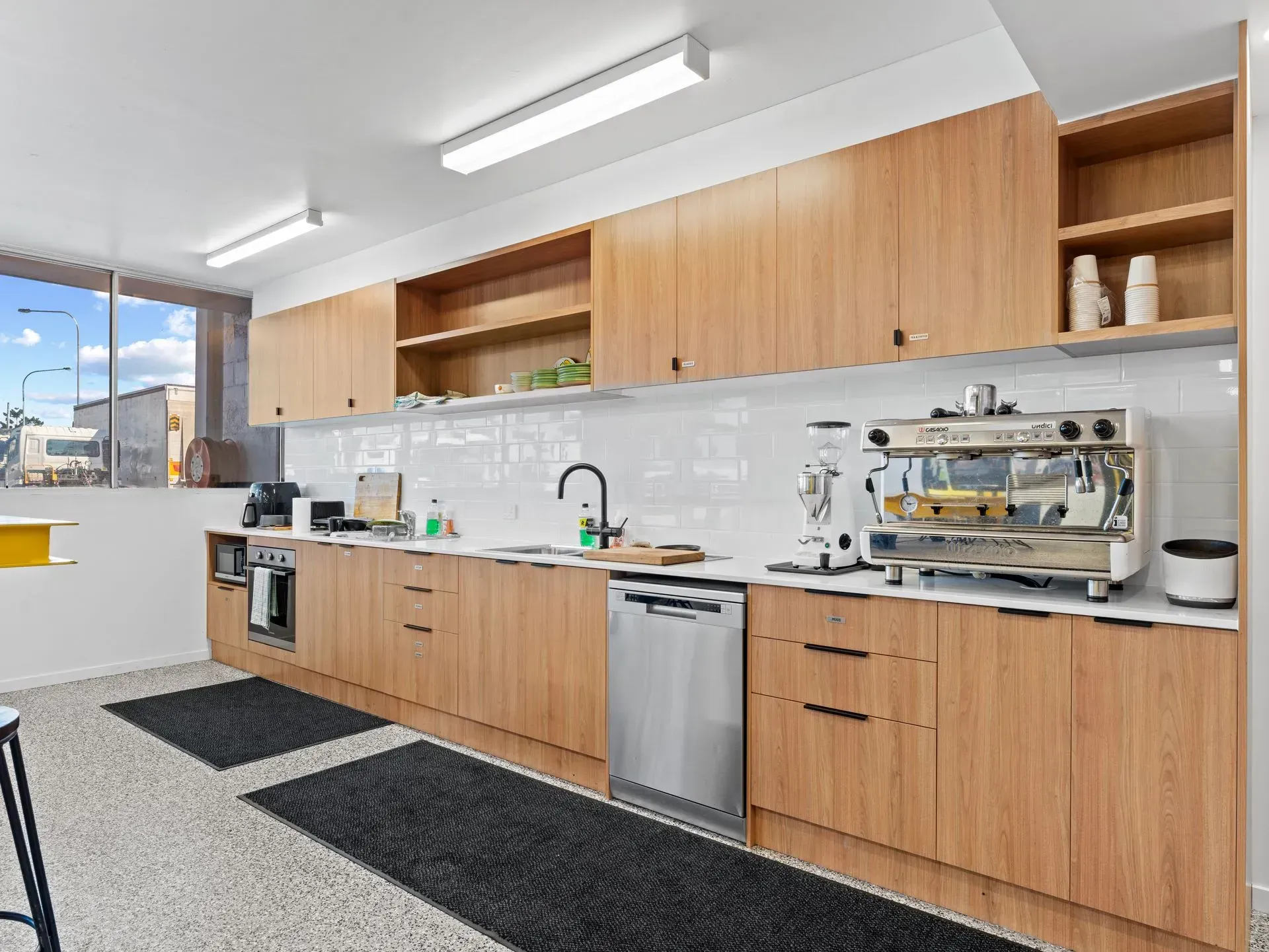
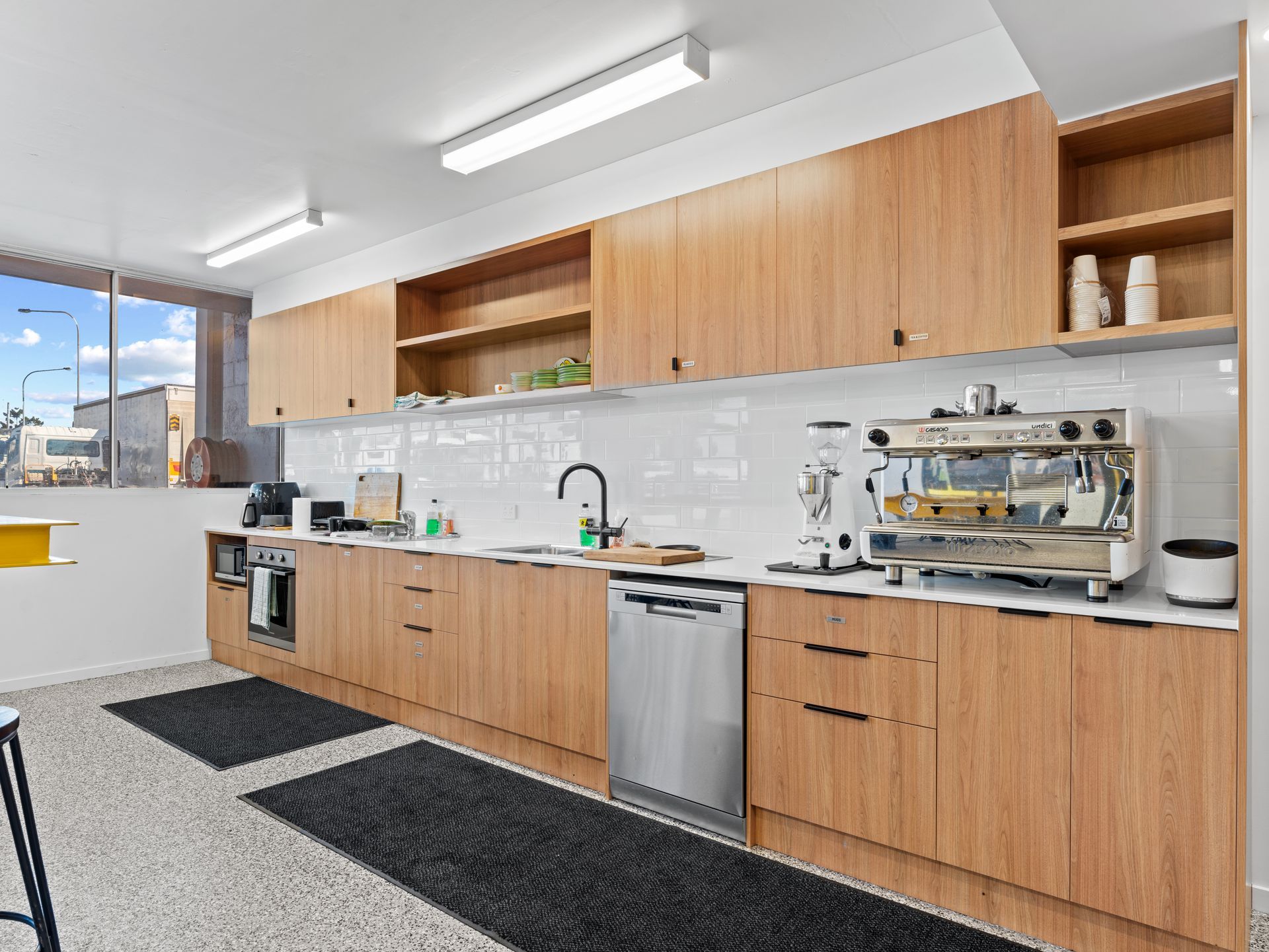
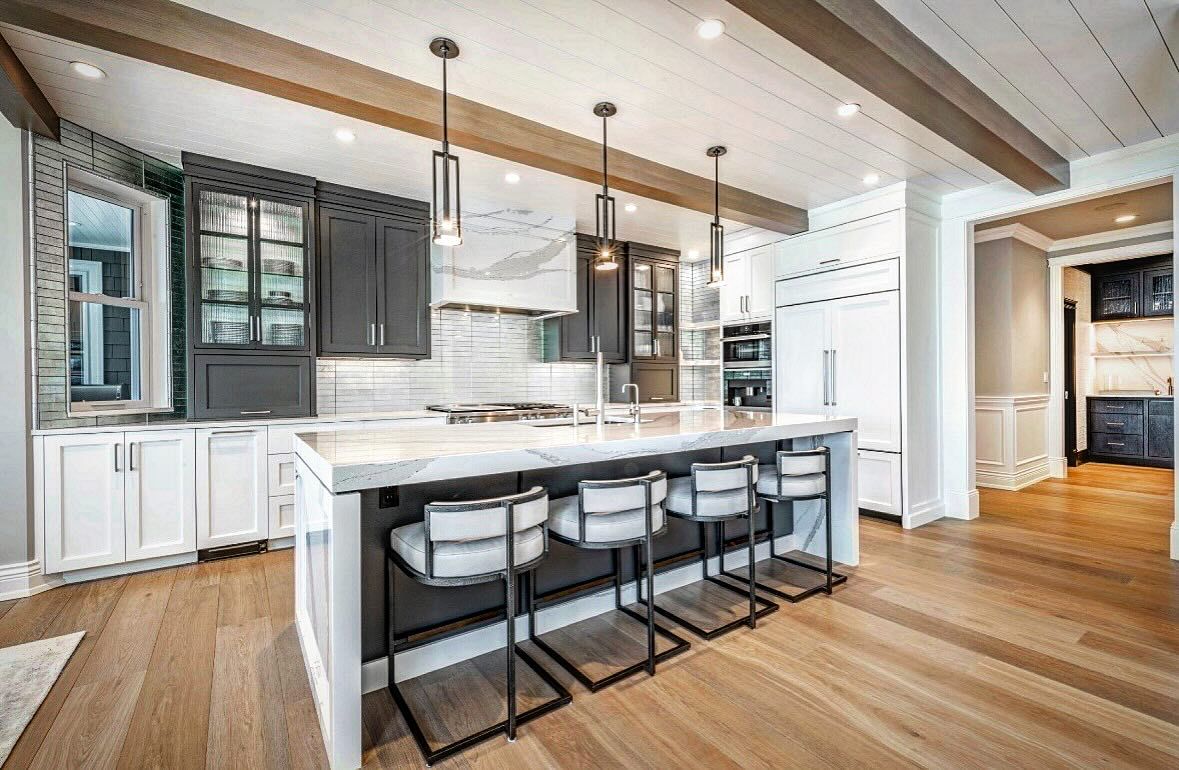
- Open-plan kitchen and living areas
- Improved natural light and ventilation
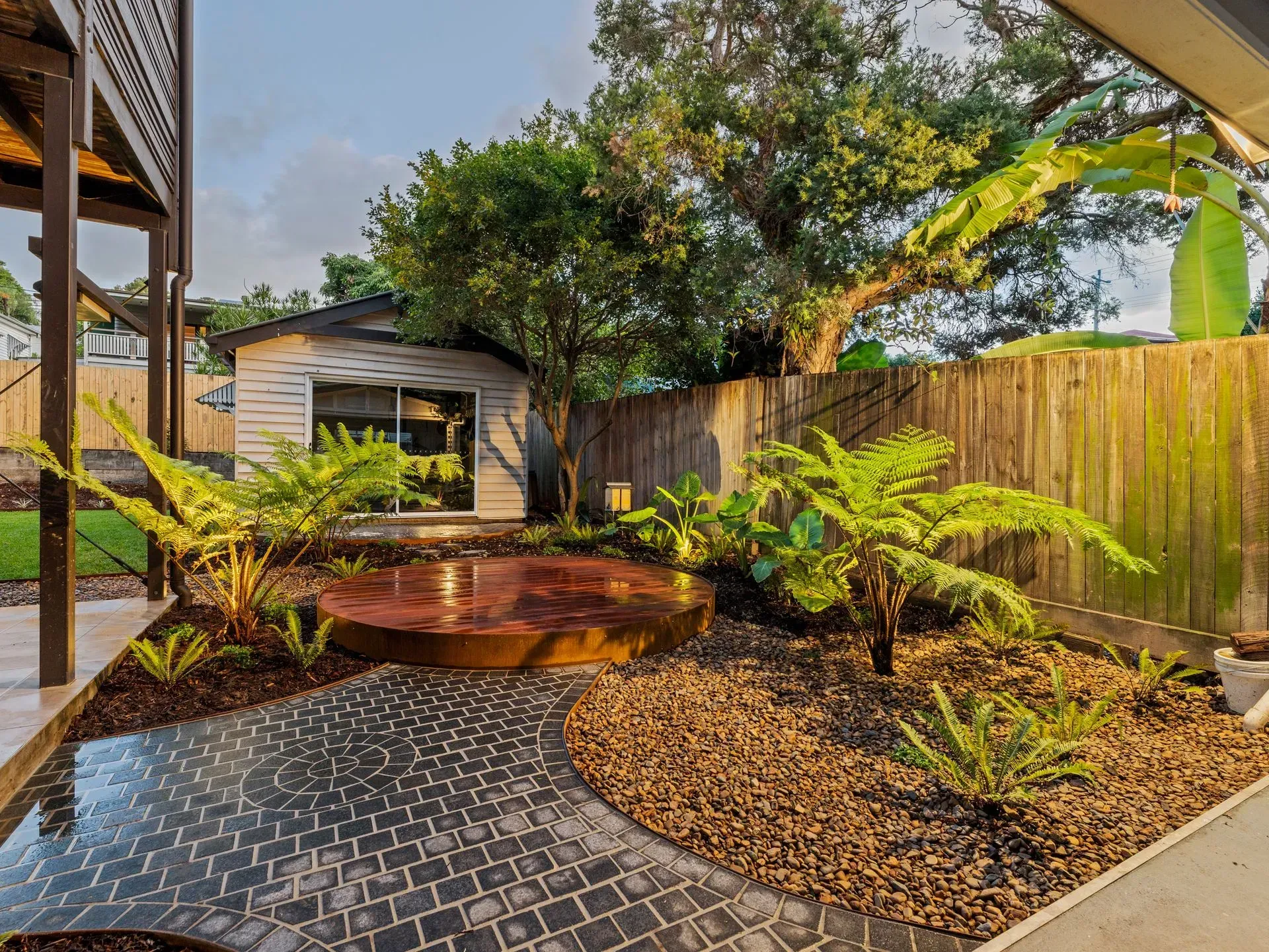
- Indoor–outdoor integration
- Energy efficiency upgrades
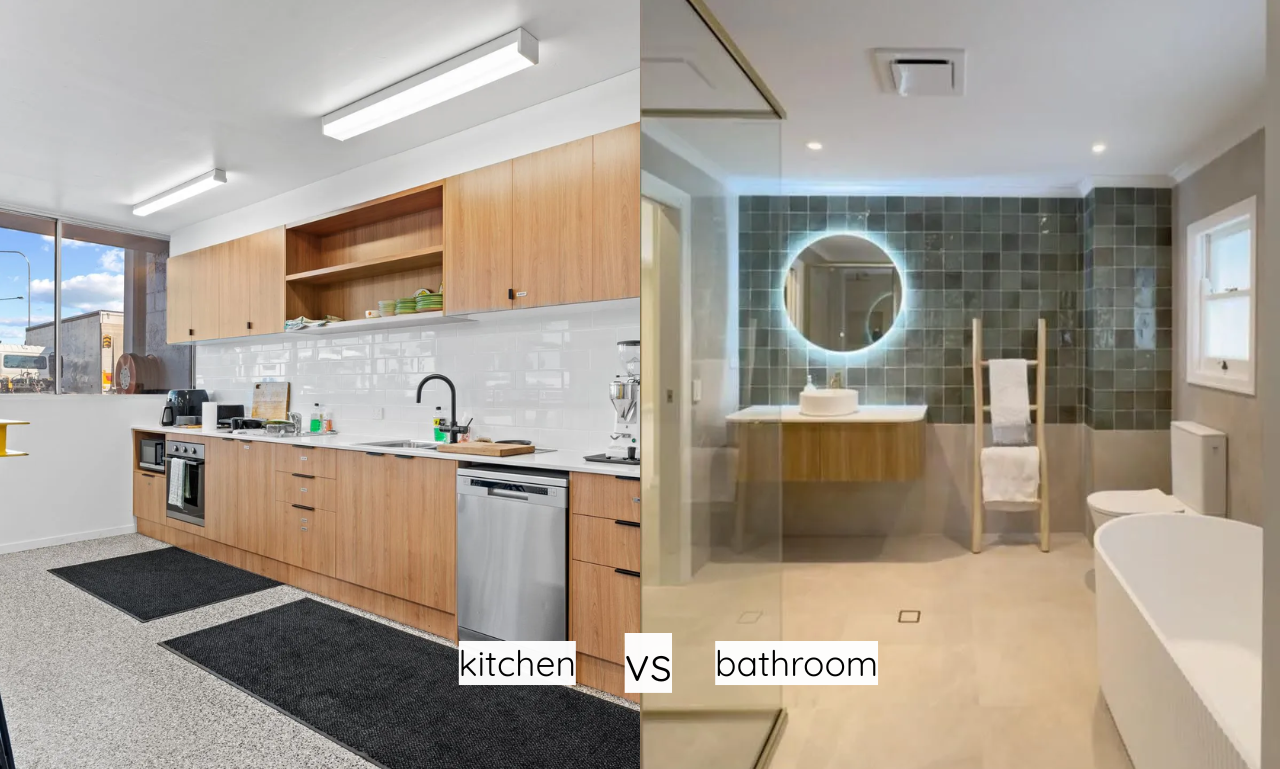
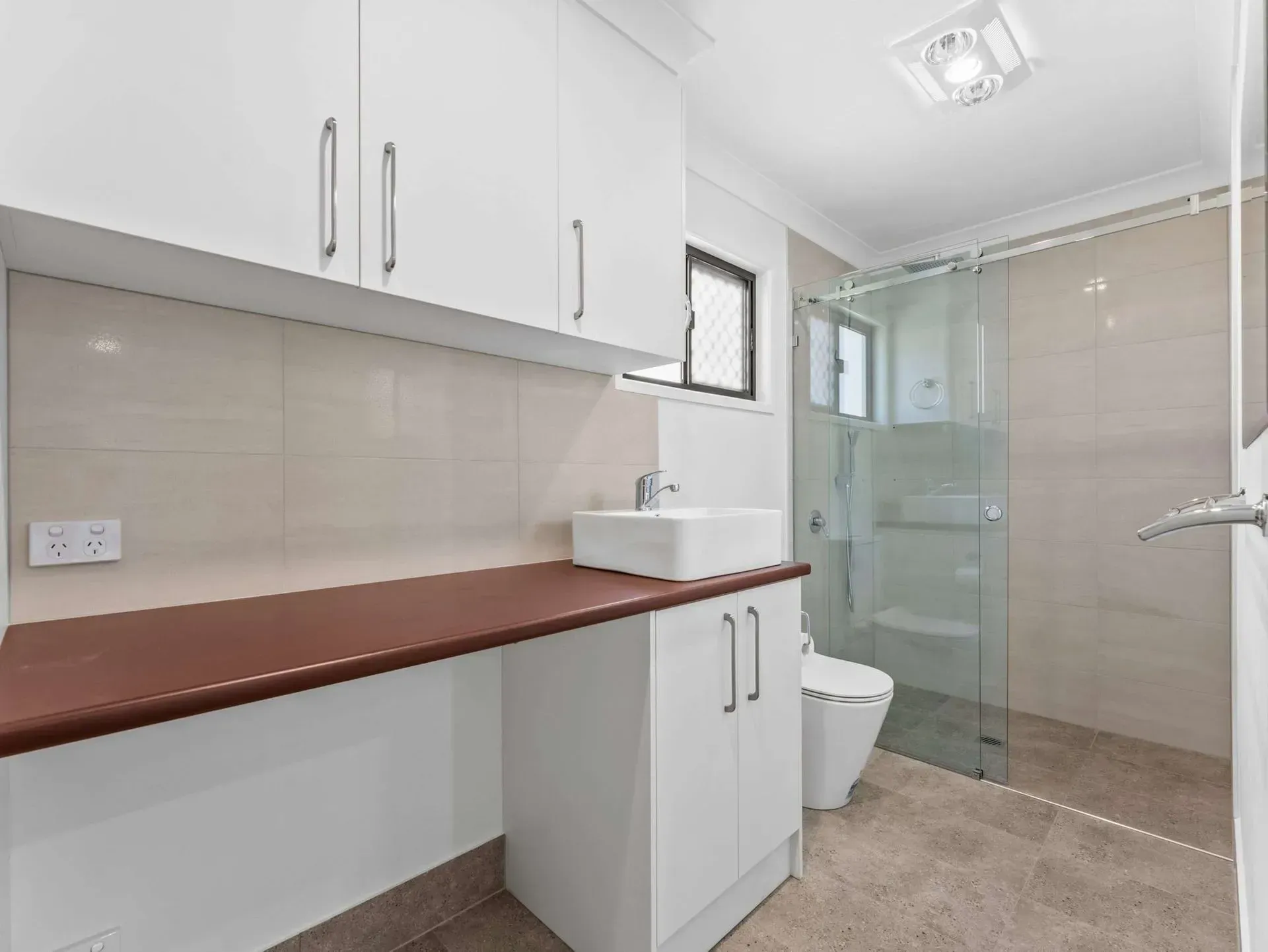
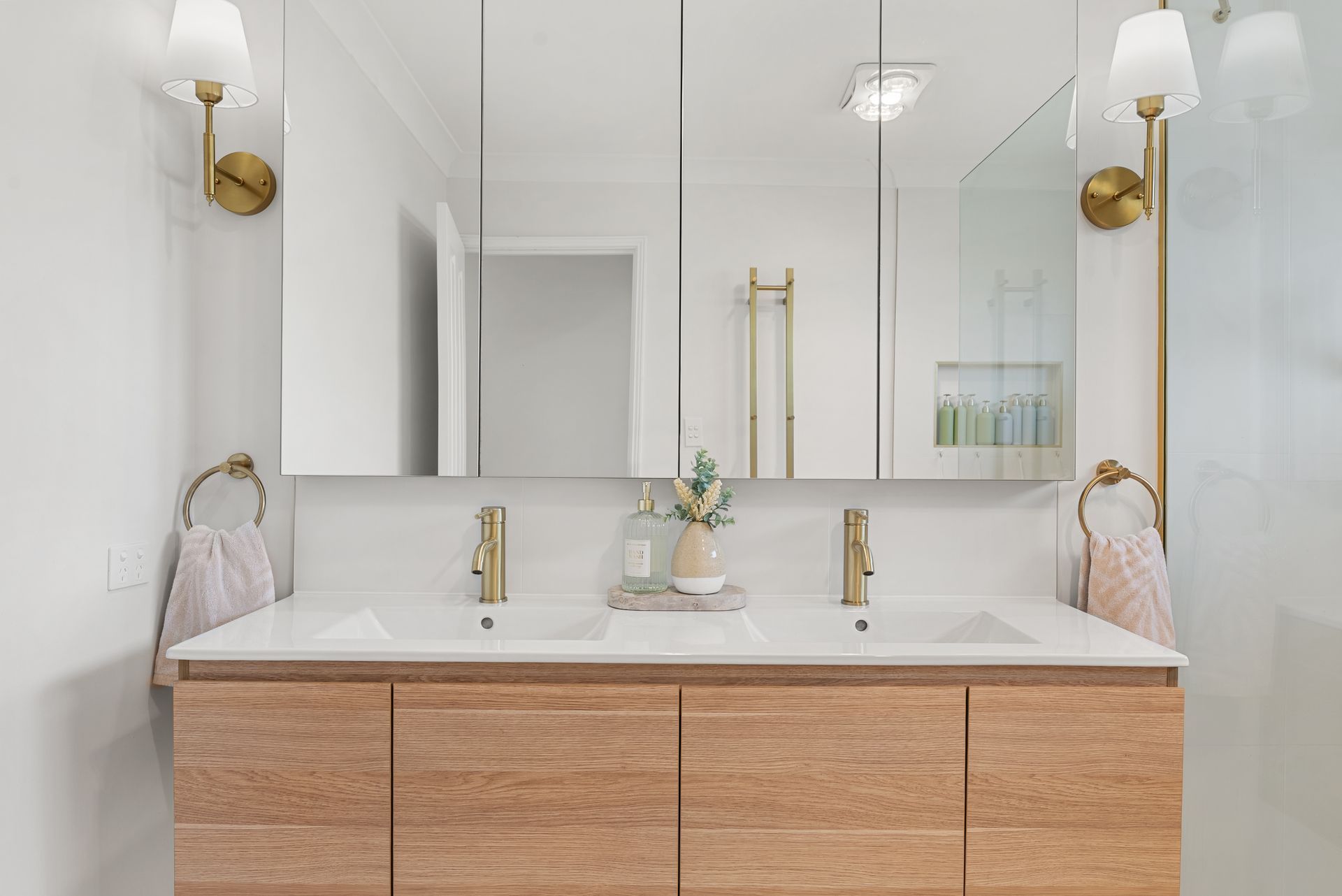
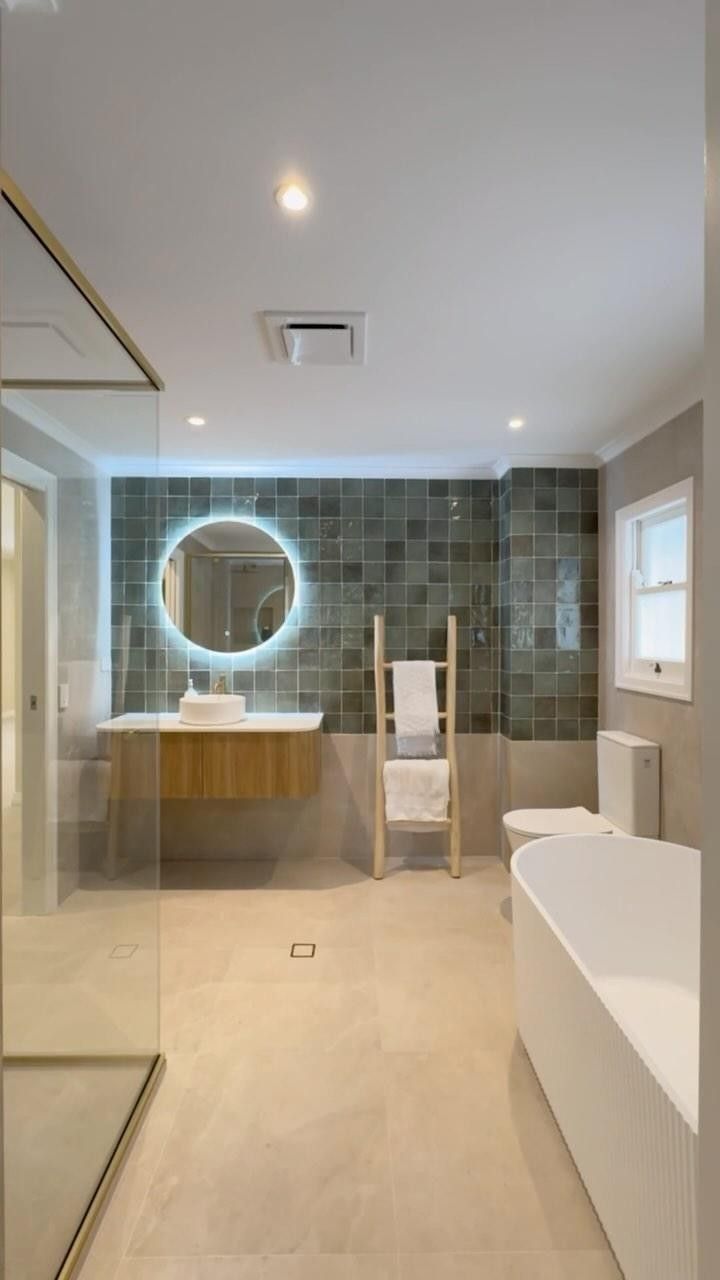
- Contemporary bathrooms and storage solutions
The challenge is blending modern functionality with the architectural integrity of the original home. Done well, the result feels seamless — not forced.
5. Budget for the Unknown -
Renovating older homes requires contingency planning. Even with detailed inspections, hidden issues can arise once walls are opened or floors lifted.
A transparent Brisbane renovation builder will:
- Provide detailed documentation
- Outline allowances clearly
- Communicate early if variations arise
Clear communication protects your investment and minimises stress.
6. Work With a Specialist in Queenslander Renovations -
Older Brisbane homes require a different level of expertise than new builds.
From structural lifting to timber detailing, matching materials and preserving character features, experience matters.
Choosing a renovation builder who regularly works on older homes ensures:
- Respect for original architecture
- Compliance confidence
- Efficient project management
- Reduced delays
Preparation Is Everything. Renovating older homes in Brisbane can dramatically increase liveability and value — but success lies in detailed planning.
Understanding structural realities, council compliance, and design integration before construction begins will set your project up for a smoother build.
If you’re considering renovating a Queenslander or older Brisbane home, start with a comprehensive consultation to explore feasibility, budget, and design direction before committing to works.