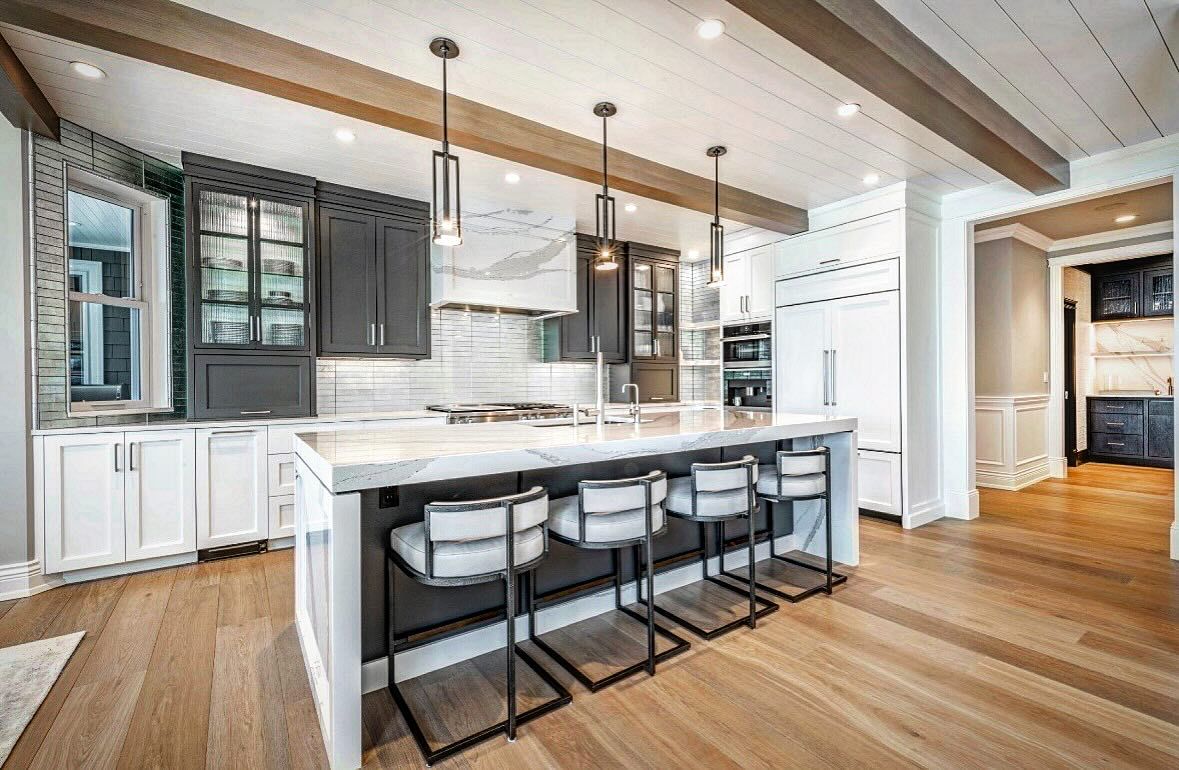
Before You Renovate: How to Budget for a Home Renovation in Brisbane (Without Stress)
Thinking about renovating your home, but worried about the cost?
You’re not alone. Budgeting is one of the most stressful parts of any renovation, and it’s often where things go wrong.
Here’s the truth:
Most renovation stress doesn’t come from the build; it comes from poor budgeting.
The good news? With the right approach, you can plan your renovation budget clearly, avoid surprises, and stay in control from start to finish.
Let’s break it down step by step.

Why Renovation Budgets Go Wrong
Before we talk about how to budget properly, let’s look at why budgets fail.
Most homeowners:
- Guess their budget
- Forget hidden costs
- Don’t include a buffer
- Make changes during construction
Result? Budget blowouts, stress, and compromises.
Step 1: Know Your Maximum Budget (Not Your Ideal One)
There’s a big difference between what you want to spend and what you can spend.
Step 2: Break Down Your Renovation Costs
A proper renovation budget should include everything, not just the obvious.
Here’s what to account for:
- Design and planning
- Labour and construction
- Materials and finishes
- Fixtures and fittings
- Council approvals
- Landscaping or finishing work
For some Brisbane homes, especially those outside sewer-connected areas, infrastructure costs may also apply. This can include understanding the septic tank installation cost if your wastewater system needs upgrading.
If it’s not listed, it’s not budgeted.
Step 3: Add a 10–15% Contingency Buffer
This is one of the most important steps, and the one most people skip.
Unexpected costs can come from:
- Structural issues
- Material changes
- Labour adjustments
Rule: Always include a 10–15% buffer.
This is what protects your budget from blowing out.
Step 4: Prioritise Your Spending
Not everything needs to be top-of-the-line.
Break your budget into:
- Must-haves (essential upgrades)
- Nice-to-haves (optional features)
Example:
- Must-have: Functional kitchen layout
- Nice-to-have: Premium stone benchtops
This helps you stay within budget without sacrificing what matters most.
Step 5: Get Detailed Quotes (No Guesswork)
One of the biggest mistakes homeowners make is relying on vague estimates.
A good builder will provide:
- Clear cost breakdowns
- Inclusions and exclusions
- Timeline expectations
This gives you a realistic understanding of your costs from the start.
Step 6: Plan Your Design Before Construction
Changing your mind mid-renovation can be expensive.
Even small changes can lead to:
- Extra labour
- Material waste
- Delays
Tip: Finalise your design, layout, and materials before construction begins.
Step 7: Don’t Forget Infrastructure Costs
Many homeowners focus on visible upgrades and forget what’s behind the walls.
If your renovation includes:
- Additional bathrooms
- Kitchen upgrades
- Extensions
Your plumbing system may need upgrading.
In some cases, homeowners search for septic system installers near to ensure their system can handle increased usage and meets local compliance requirements.
Planning this early avoids major surprises later.
Step 8: Plan for the Unexpected (Because It Happens)
Even the best-planned renovations can face surprises.
The goal isn’t to avoid them — it’s to be prepared.
That’s why:
- Your buffer matters
- Your planning matters
- Your builder matters
Real Example: Budget Done Right vs Wrong
Without proper budgeting:
- Budget: $75,000
- Hidden costs: +$25,000
- Final cost: $100,000+
- Result: Stress and compromises
With smart budgeting:
- Budget: $85,000 (includes buffer)
- Costs managed
- Final cost: Controlled
- Result: Smooth renovation
The difference? A clear plan.
Quick Budget Tips You Can Use Today
✔ Set your
maximum budget
✔ Add a
10–15% contingency fund
✔ Separate must-haves from nice-to-haves
✔ Get detailed quotes
✔ Finalise your design early
What Smart Homeowners Do Differently
Budget blowout approach:
- Guessing costs
- No buffer
- Last-minute changes
Smart approach:
- Detailed planning
- Realistic budgeting
- Clear decisions
The result? Less stress, better outcomes.
Budgeting for a home renovation in Brisbane doesn’t have to be overwhelming. With the right planning, clear priorities, and realistic expectations, you can stay in control of your costs and avoid unnecessary stress. Because a successful renovation isn’t about spending more, it’s about planning smarter from the start.
FAQs
1. How do I budget for a home renovation in Brisbane?
Start by listing all costs, including labour, materials, approvals, and a contingency fund to cover unexpected expenses.
2. What is a realistic renovation budget buffer?
A contingency buffer of 10–15% is recommended to cover hidden costs during the renovation.
3. What are the most common budgeting mistakes?
Common mistakes include underestimating costs, skipping a buffer, and making changes during construction.
4. How do I find reliable septic system installers near me?
Look for licensed professionals, compare quotes, and ensure they meet local compliance standards.