Step-by-Step Guide to the Home Renovation Process in Brisbane
Everything You Need to Know About Planning and Managing a Successful Home Renovation in Brisbane.
Renovating your home can be one of the most rewarding ways to improve your living space, increase property value, and create a home that better suits your lifestyle. Whether you’re planning a small kitchen upgrade, bathroom renovation, or a major home extension, understanding the renovation process can make the entire experience far smoother.
For homeowners in Brisbane, renovations often involve more than just design and construction. Projects may also require council approvals, planning considerations, and infrastructure upgrades, particularly for plumbing or wastewater systems.
If you’re planning to renovate, this
step-by-step guide to the home renovation process in Brisbane explains what to expect from planning and budgeting to construction and final inspections.
Quick Overview of the Renovation Process
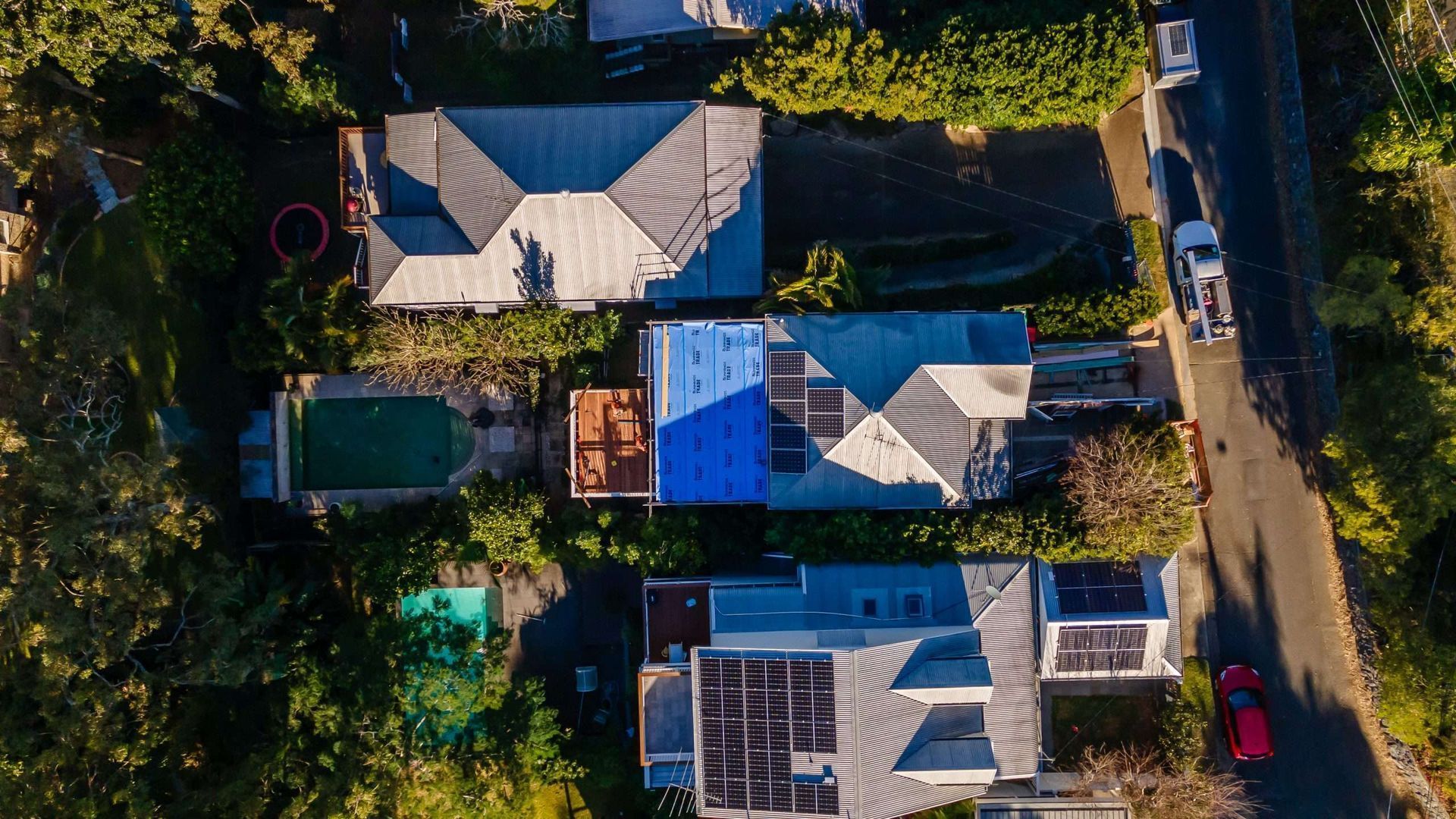
Most home renovation projects follow a similar structure. Understanding these stages can help you prepare for the timeline and avoid unnecessary delays.
Typical steps in the Brisbane home renovation process include:
- Defining your renovation goals
- Setting a realistic renovation budget
- Consulting with a renovation builder
- Design and planning
- Obtaining council approvals
- Pre-construction preparation
- Construction and building work
- Final inspections and project handover
Step 1: Define Your Renovation Goals
The first step in any renovation project is deciding exactly what you want to achieve.
Before starting the planning process, ask yourself questions such as:
- Which areas of the home need improvement?
- Do you need additional living space or a better layout?
- Are you renovating for lifestyle improvements or resale value?
- Do you want to modernise an older home?
Many Brisbane homeowners renovate to update older Queenslander homes, improve indoor-outdoor living spaces, or create open-plan layouts that better suit modern lifestyles.
Creating a simple list of must-have features and optional upgrades can help keep your renovation plans focused and prevent unnecessary changes later in the project.
Clear renovation goals also help builders and designers understand your vision.
Step 2: Establish a Realistic Renovation Budget
Budget planning is one of the most important stages of any home renovation project.
A well-prepared budget ensures that your renovation remains financially manageable and helps prevent unexpected costs during construction.
Typical renovation expenses may include:
- Design and drafting services
- Council approvals and building certifications
- Labour and construction costs
- Fixtures, fittings, and interior finishes
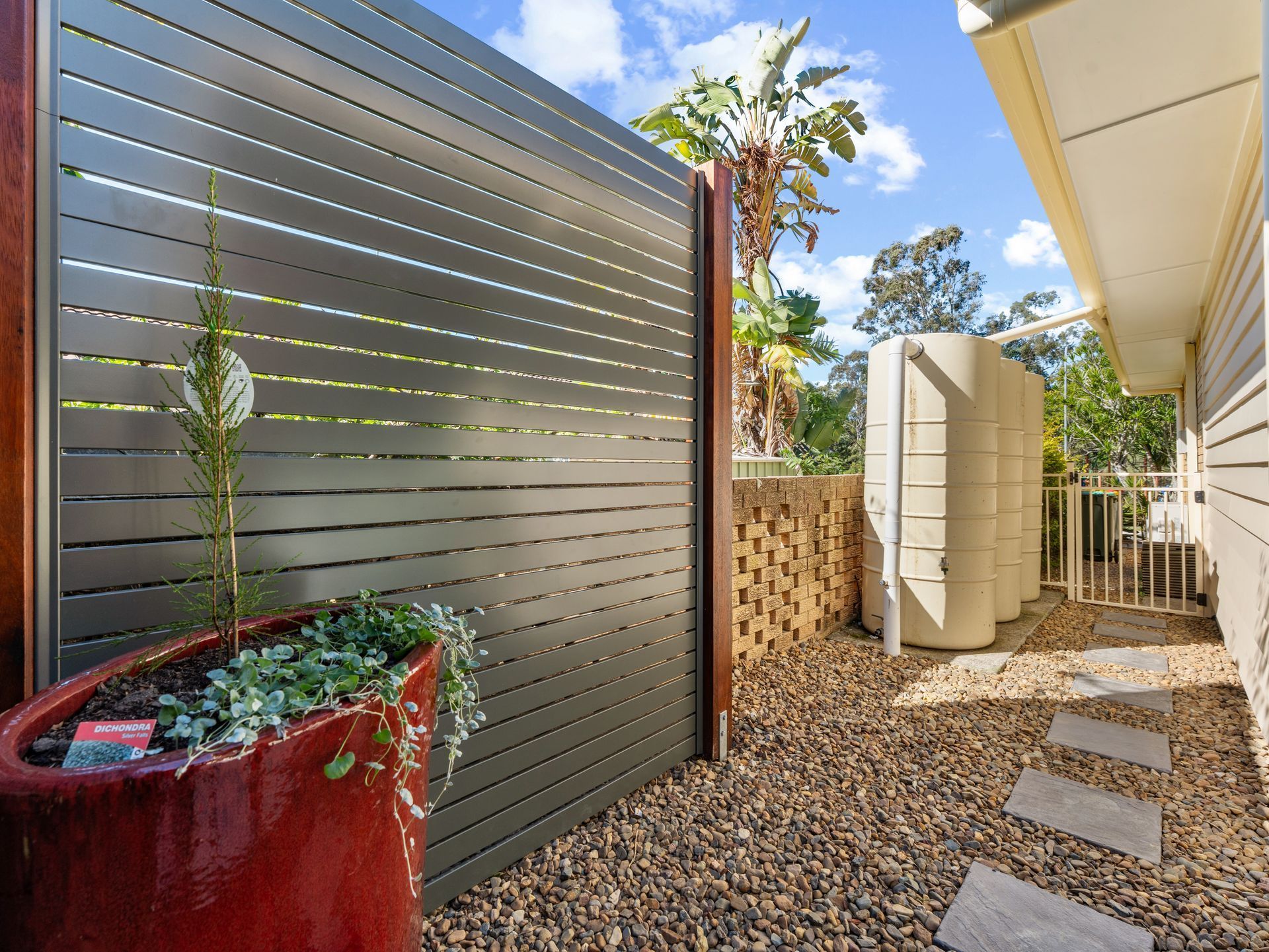
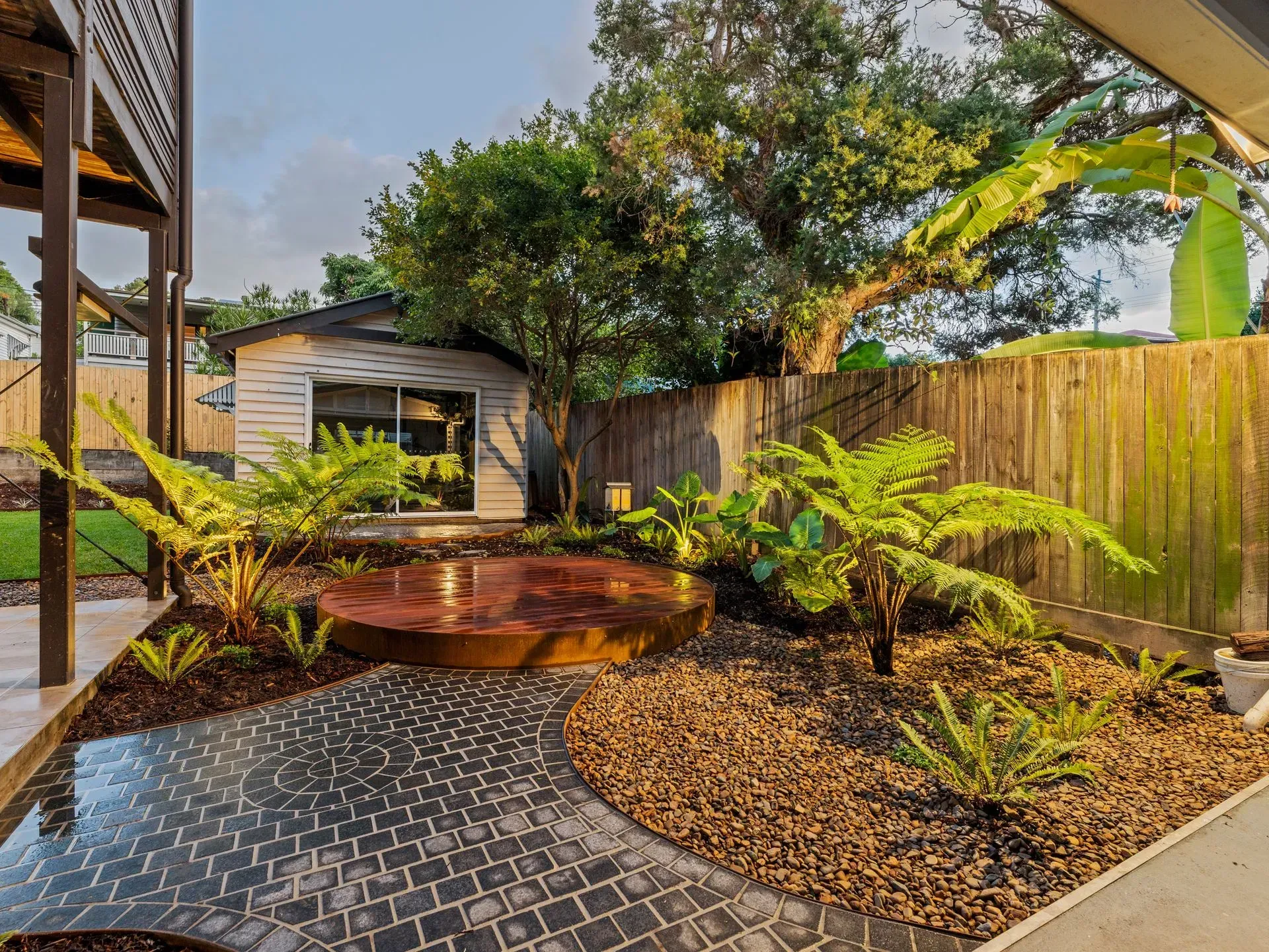
- Landscaping or outdoor upgrades
- Plumbing or drainage improvements
In some situations, Brisbane homeowners may also need to consider the septic tank installation cost in Australia, particularly if the property is not connected to the main sewer network or if the existing system requires upgrading during renovations.
It’s also recommended to include a contingency fund of around 10–15% of your renovation budget. This buffer helps cover unexpected issues such as hidden structural problems or material price changes.
Step 3: Consult With an Experienced Renovation Builder
Once you have a clear idea of your renovation goals and an estimated budget, the next step is to consult with a qualified renovation builder in Brisbane.
An experienced builder can:
- Evaluate the current condition of your home
- Identify structural limitations
- Suggest practical design improvements
- Provide preliminary cost estimates
- Outline a realistic renovation timeline
Early consultation helps ensure your renovation plans are feasible, compliant with local regulations, and aligned with your budget.
For example, if your renovation includes additional bathrooms, laundry areas, or extensions, your builder may recommend reviewing your home’s plumbing capacity. In some cases, homeowners may need to consult septic system installers to ensure wastewater infrastructure can support the changes.
Step 4: Design and Planning
The design phase is where your renovation ideas are transformed into detailed plans that builders can follow.
During this stage, homeowners may work with several professionals, including:
- Architects
- Building designers
- Draftspeople
- Structural engineers
Design planning often includes:
- Floor plan development
- Structural design considerations
- Interior layout improvements
- Selecting materials and finishes
This stage helps homeowners visualise the outcome of their renovation.
Spending time on careful planning can significantly reduce delays during construction and ensure the renovation meets both functional and aesthetic goals.
Step 5: Obtain Council Approvals
Depending on the scope of your renovation, council approval may be required in Brisbane.
Projects that often require approval include:
- Structural modifications
- Home extensions
- Raising Queenslander homes
- Adding extra rooms or levels
Your builder or designer will typically assist with submitting plans to Brisbane City Council and working with building certifiers.
If your renovation involves significant plumbing or wastewater upgrades, additional approvals may be required to meet environmental and health standards. This can be particularly relevant when installing a new septic system or modifying an existing one.
Understanding approval requirements early can help prevent delays later in the project.
Step 6: Pre-Construction Preparation
Once your plans are approved and construction contracts are signed, the project moves into the preparation phase.
This stage usually involves:
- Finalising the renovation schedule
- Ordering building materials and fixtures
- Coordinating trades and subcontractors
- Preparing the building site
Homeowners and builders should also discuss practical details such as:
- Property access
- Work hours
- Safety considerations
- Temporary living arrangements if required
Clear communication during this stage ensures construction begins smoothly and minimises disruption.
Step 7: Construction Begins
The construction phase is when your renovation plans start becoming a reality.
Depending on the project size, this stage may include several key phases.
Demolition and Site Preparation
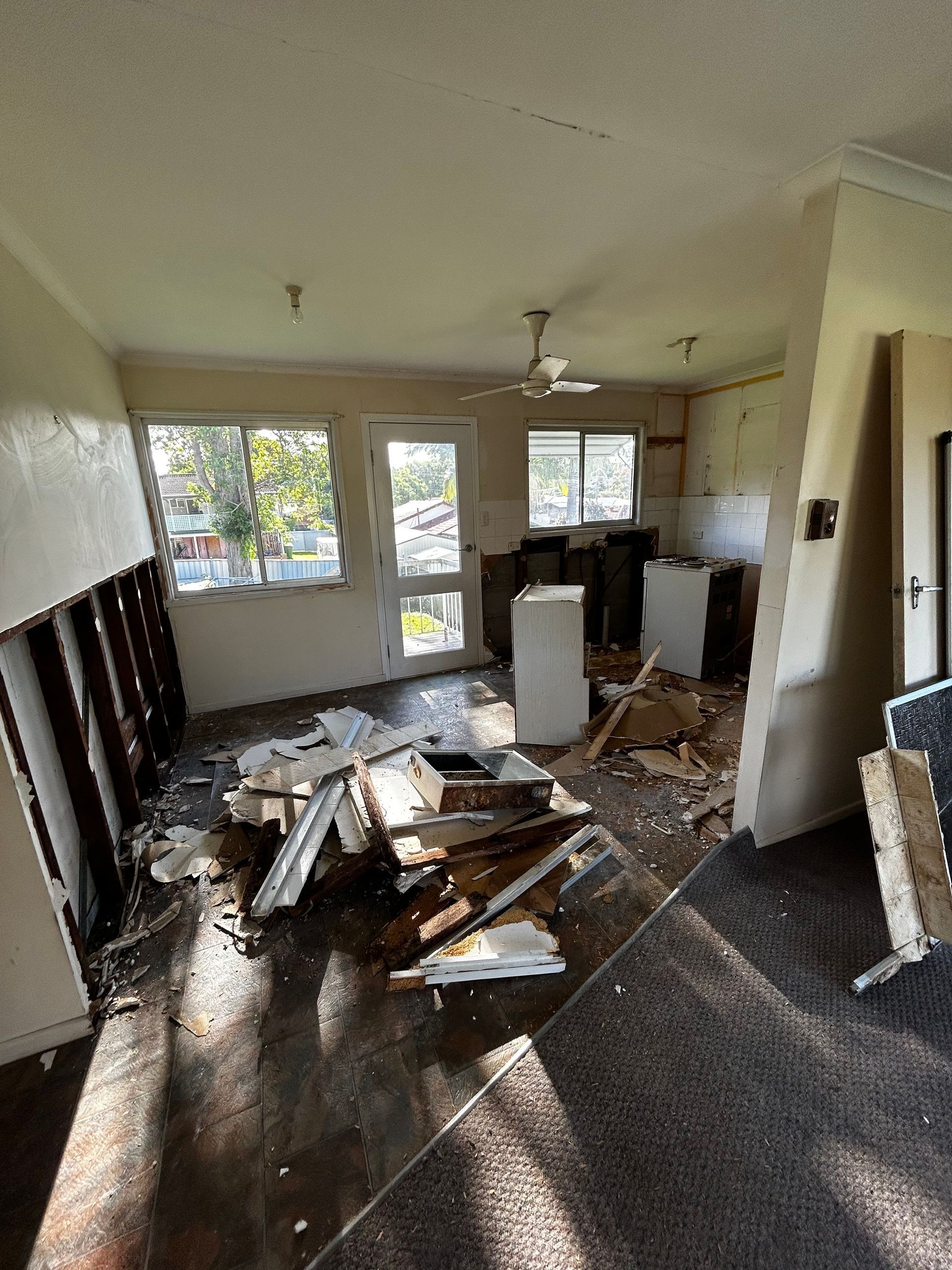
Old structures, fixtures, or walls may be removed to prepare the home for renovation.
Structural Work
Builders complete framing, extensions, or structural modifications required for the project.
Plumbing and Electrical Installation
New plumbing systems and electrical wiring are installed or upgraded to support the renovation.
Interior Finishing
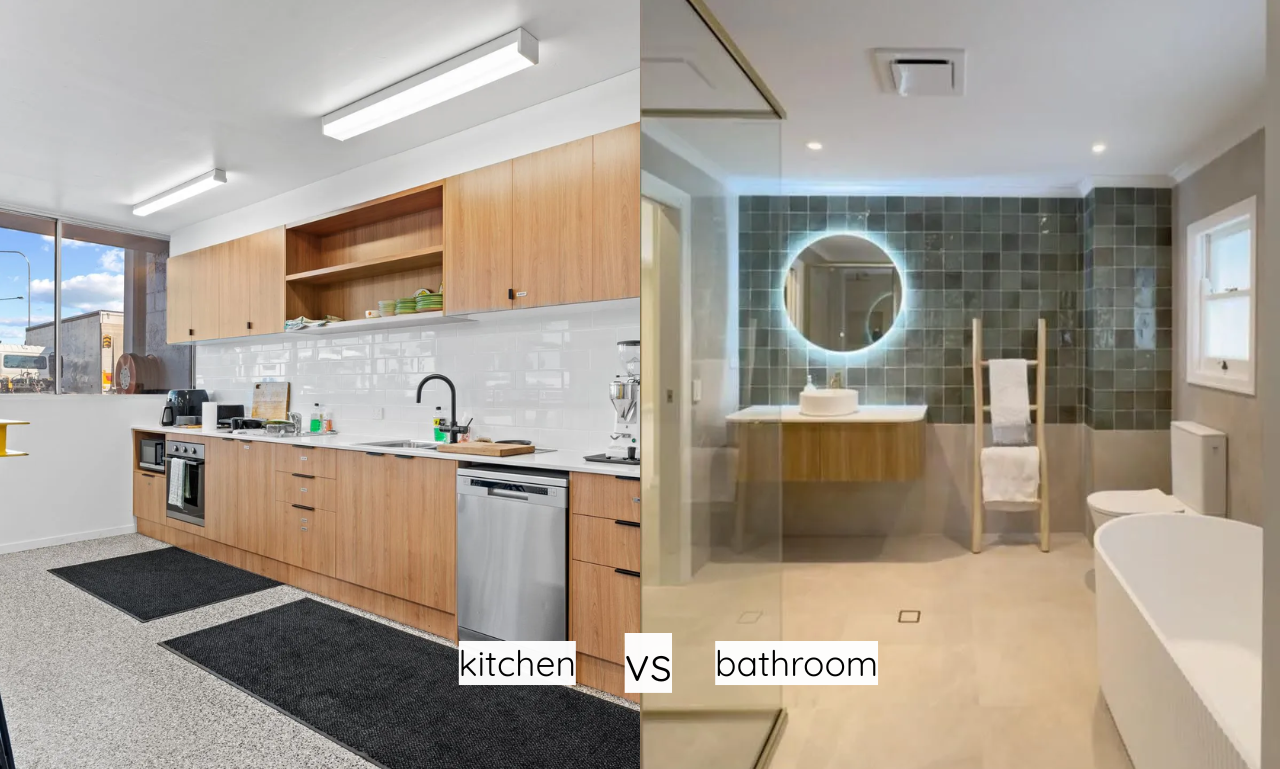
This stage includes installing cabinetry, flooring, tiling, lighting, and painting.
For properties located in semi-rural areas around Brisbane, construction may also involve installing or upgrading wastewater systems.
In these situations, homeowners often research factors such as septic tank installation cost or consult professional septic system installers to ensure the system complies with Australian regulations.
Throughout the construction phase, professional builders typically provide regular updates so homeowners can track progress.
Step 8: Final Inspections and Project Handover
As construction nears completion, final inspections ensure the renovation meets all building standards and safety requirements.
These inspections may include:
- Building certifier inspections
- Electrical compliance checks
- Plumbing inspections
- Structural safety assessments
Any final adjustments or minor repairs are completed during this stage.
Once everything meets regulatory standards, the builder conducts the final project handover and confirms the renovation has been completed according to the agreed plans.
Enjoy Your Newly Renovated Home
After weeks or months of planning and construction, the final step is enjoying the results of your renovation.
A successful renovation can deliver several benefits, including:
- Improved comfort and functionality
- Modern and updated living spaces
- Increased property value
- A home that better suits your lifestyle
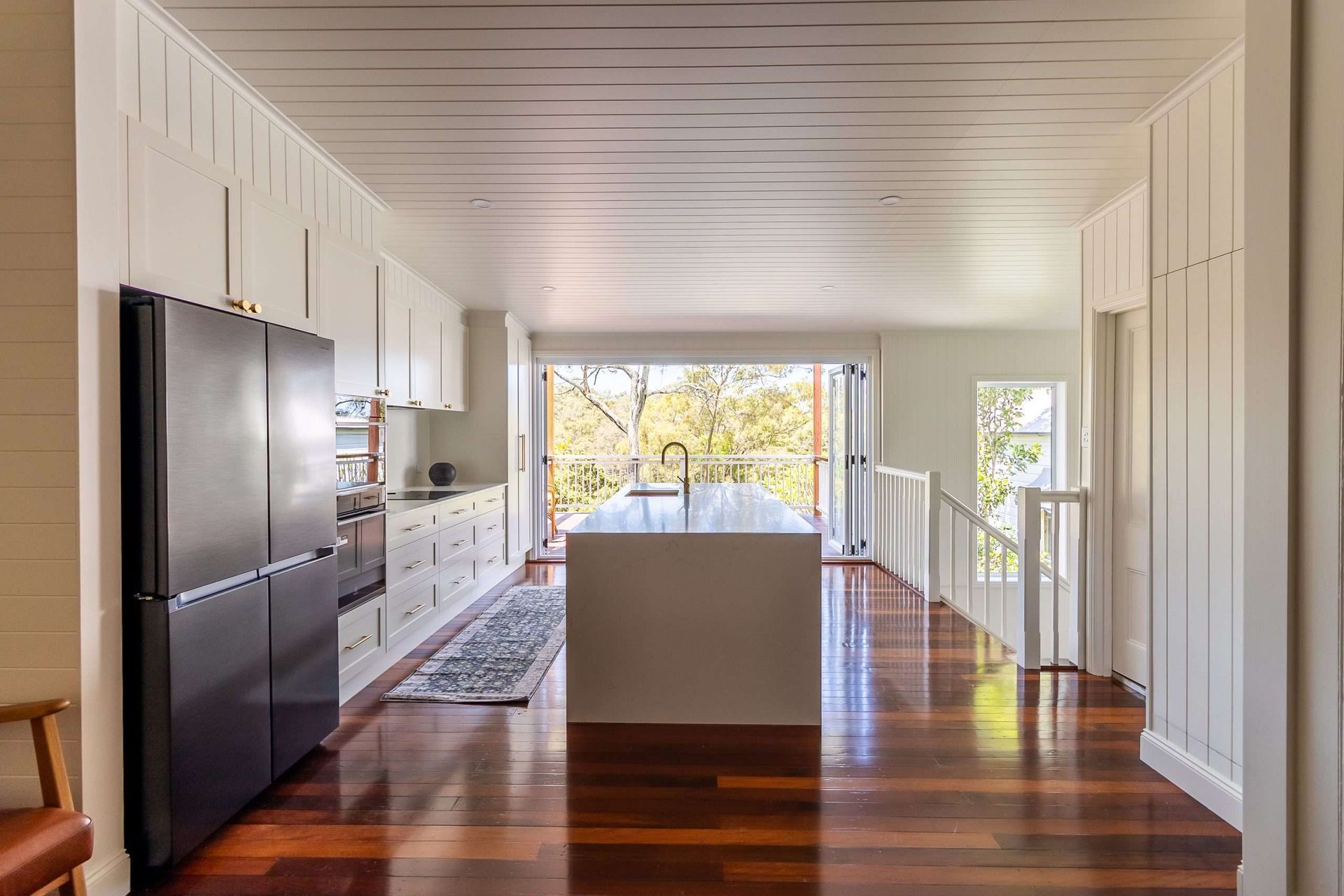
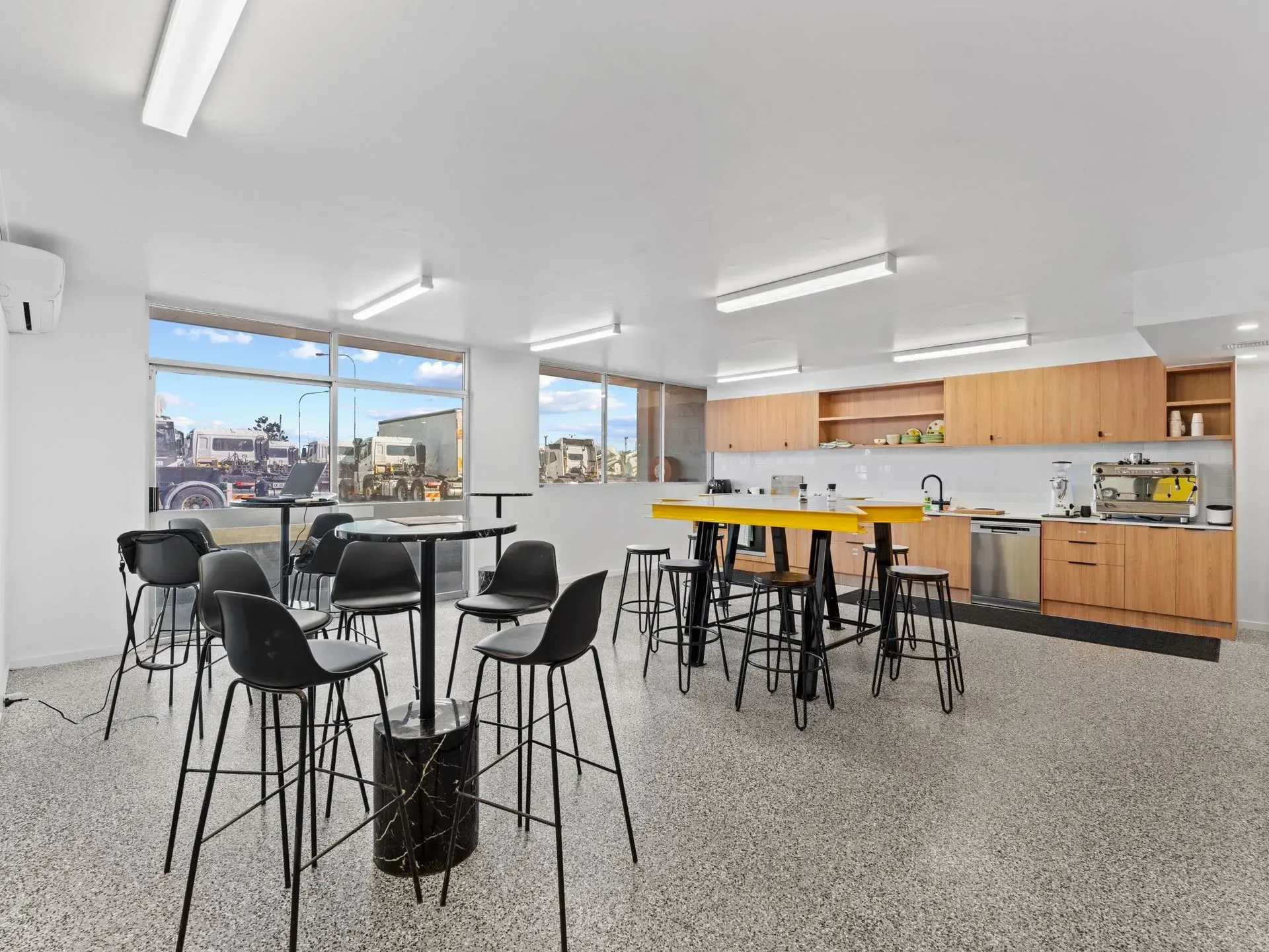
Many Brisbane homeowners find that renovations significantly transform how they use their homes, particularly with open-plan living areas, modern kitchens, and improved outdoor entertaining spaces.
Renovating your home in Brisbane doesn’t have to be overwhelming. By understanding each stage of the renovation process from defining your goals to completing final inspections, you can approach your project with greater confidence.
Careful planning, realistic budgeting, and working with experienced professionals are essential for a smooth and successful renovation.
Whether you're modernising an older home, expanding your living space, or upgrading essential infrastructure such as plumbing or wastewater systems, the right preparation will help turn your renovation ideas into lasting improvements for your home.
FAQs
How long does a home renovation take in Brisbane?
The timeline depends on the project size. Small cosmetic renovations may take a few weeks, while larger renovations or extensions may take several months.
Do renovations require council approval in Brisbane?
Some projects require approval from Brisbane City Council, particularly when structural changes, house raising, or extensions are involved.
What is the average renovation cost in Brisbane?
Renovation costs vary depending on project size and materials. Minor upgrades may cost several thousand dollars, while major renovations or home extensions can exceed $100,000.