How to Plan a Renovation Without Blowing Your Budget

Why Renovation Budgets Blow Out
Before we get into the solution, let’s quickly look at the problem.
Most budget blowouts happen because of:
- Poor planning
- Unrealistic expectations
- Hidden costs
- Last-minute changes
The key takeaway?
It’s not the renovation itself, it’s how you plan it.
Step 1: Set a Realistic Budget (Not a Guess)
The biggest mistake homeowners make is setting a budget based on guesswork.
Instead, your renovation budget should include:
- Design and planning costs
- Labour and materials
- Fixtures and finishes
- Council approvals
- Contingency fund
For some properties, especially those outside Brisbane’s main sewer network, you may also need to factor in infrastructure costs like septic tank installation cost if upgrades are required.
Quick tip you can apply today:
Write down your
maximum budget,
not just your ideal budget.
Step 2: Add a 10–15% Buffer (This Is Non-Negotiable)
No matter how well you plan, unexpected costs can happen.
Examples include:
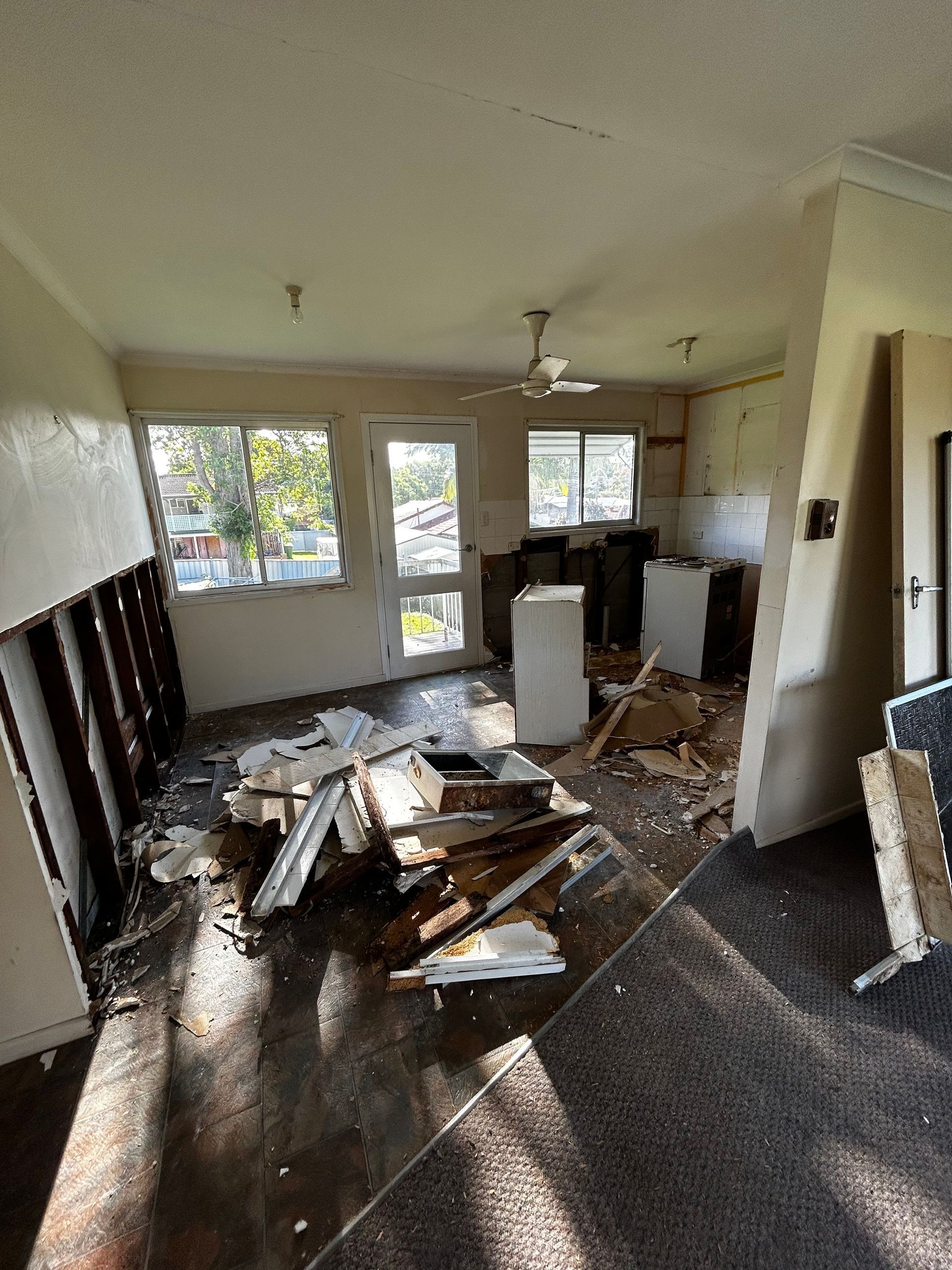
- Hidden structural damage
- Material price changes
- Additional labour
Rule: Always add a 10–15% contingency buffer.
This is what protects your budget from blowing out.
Step 3: Prioritise What Actually Matters
Not everything in your renovation is equally important.
Break your renovation into:
- Must-haves (essential changes)
- Nice-to-haves (upgrades if budget allows)
Example:
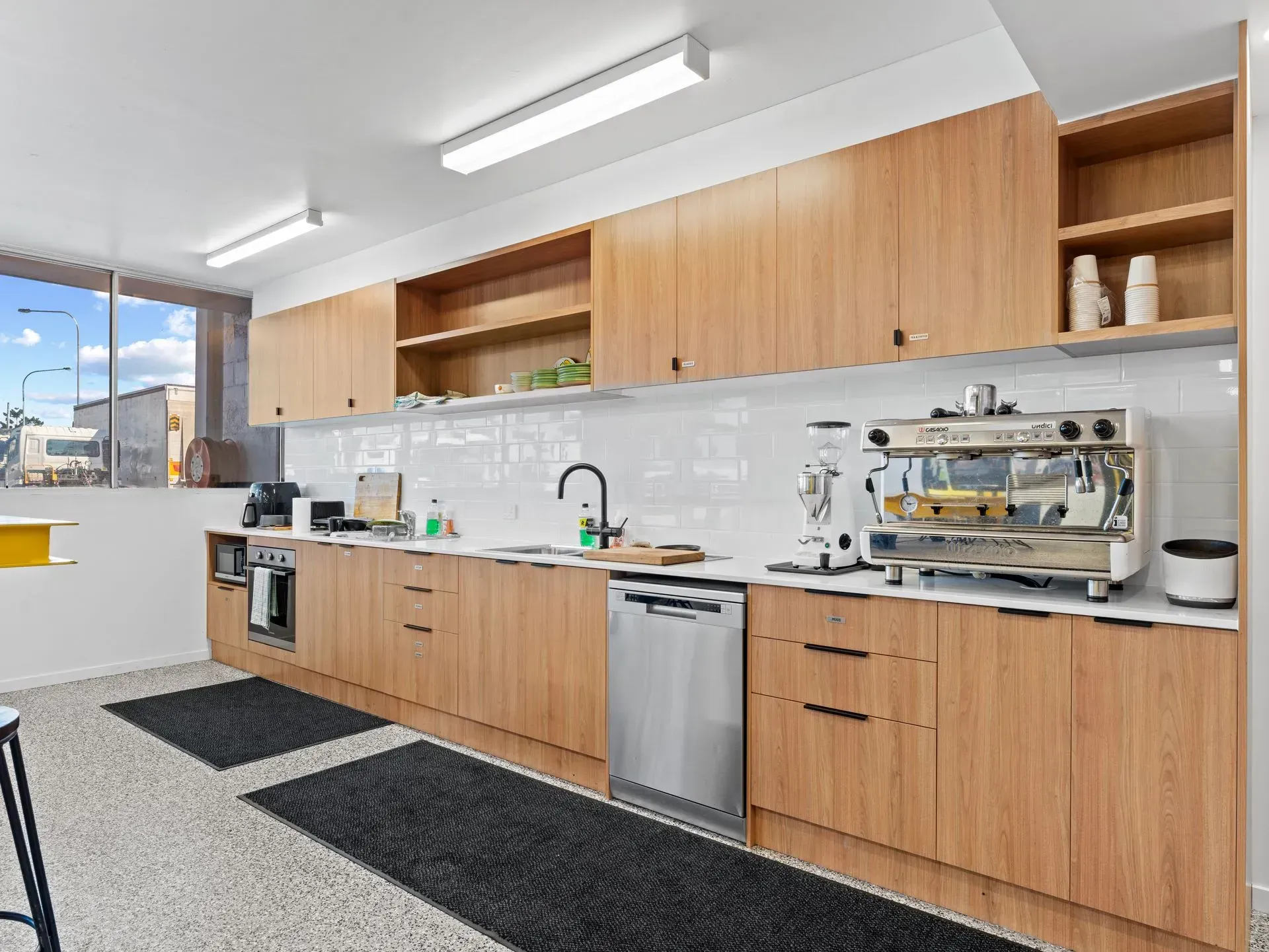
- Must-have: Functional kitchen layout
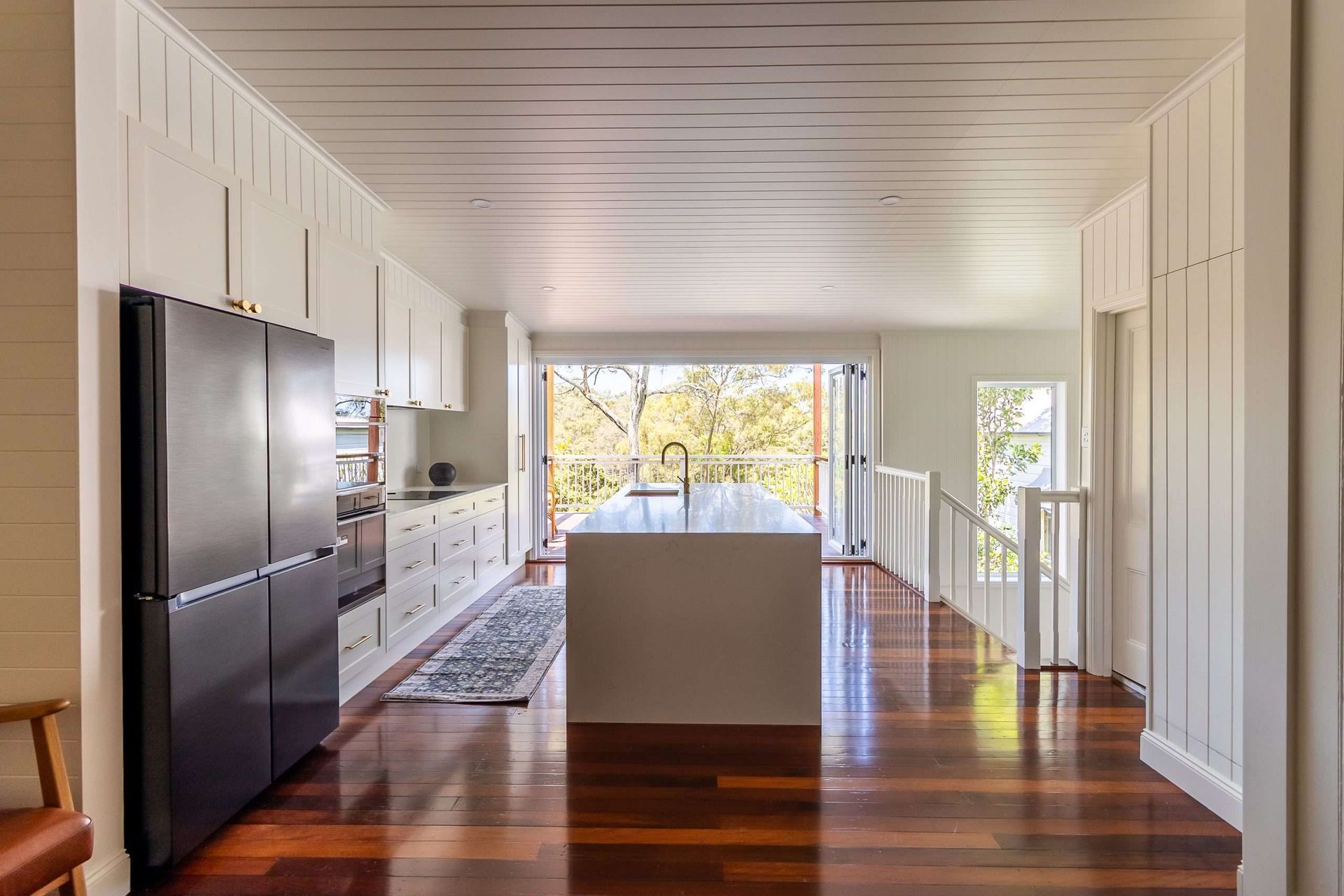
- Nice-to-have: Premium finishes
This keeps your budget focused on what truly matters.
Step 4: Finalise Your Design Before You Start
Changing your mind mid-renovation is one of the fastest ways to increase costs.
Every change can lead to:
- Extra labour
- Material waste
- Project delays
Tip:
Lock in your design, materials, and layout
before construction begins.
Step 5: Get Detailed Quotes (Not Just One Price)
A vague quote can lead to unexpected costs later.
Make sure your builder provides:
- Clear cost breakdowns
- Inclusions and exclusions
- Timeline expectations
This helps you understand exactly where your money is going.
Step 6: Choose Value Over Cheap Prices
Going with the cheapest quote often leads to higher costs later.
Low-cost builders may:
- Cut corners
- Miss details
- Add hidden costs
Better approach:
Choose a builder based on experience, transparency, and quality.
Step 7: Plan for Hidden Costs (Before They Surprise You)
Hidden costs are where most budgets go wrong.
Common ones include:
- Structural repairs
- Plumbing upgrades
- Electrical work
For renovations involving extensions or additional bathrooms, your home’s infrastructure may need upgrading. In some cases,
homeowners search for septic system installers near me to ensure their wastewater systems are properly designed and compliant.
Planning these early helps you stay in control.
Real Example: Budget Done Right vs Wrong
Without planning:
- Budget: $70,000
- Hidden costs: +$20,000
- Final cost: $90,000+
- Result: Stress and compromises
With smart planning:
- Budget: $80,000 (with buffer)
- Costs managed
- Final cost: Controlled
- Result: Smooth renovation
The difference? A proper plan.
Quick Tips You Can Apply Today
✔ Set your
maximum budget, not your ideal one
✔ Add a
10–15% contingency fund
✔ Separate must-haves from nice-to-haves
✔ Finalise all decisions before construction
✔ Work with experienced professionals
What Smart Homeowners Do Differently
Let’s simplify it:
Budget blowout approach:
- No clear plan
- Cheap builder
- Last-minute decisions
Smart approach:
- Detailed planning
- Realistic budget
- Right professionals
The result? Less stress, better outcomes.
Renovating your home in Brisbane doesn’t have to mean blowing your budget.
With the right planning, realistic expectations, and experienced guidance, you can stay in control of your costs and achieve the result you want.
Because at the end of the day, a successful renovation isn’t about spending more, it’s about spending smarter.
FAQs
1. How do I plan a renovation budget in Brisbane?
Start by listing all costs, including labour, materials, approvals, and a contingency fund to cover unexpected expenses.
2. What is a realistic contingency budget for renovations?
A contingency budget of 10–15% is recommended to cover unforeseen costs during the renovation process.
3. What causes renovation budgets to blow out?
Common causes include poor planning, hidden costs, design changes, and choosing the wrong builder.
4. How do I find reliable septic system installers near me?
Look for licensed professionals with strong reviews, compare quotes, and ensure they meet local compliance standards.